When Legal Stress Leads to Addiction: Choosing a Rehab Program That Understands Attorneys

The practice of law demands intelligence, discipline, and unwavering commitment. Attorneys spend countless hours advocating for clients, preparing complex cases, managing strict deadlines, and making decisions that carry significant consequences. While these responsibilities often lead to rewarding careers, they can also create extraordinary levels of stress. When chronic pressure goes unmanaged, it can contribute to anxiety, depression, burnout, and substance use disorders. For attorneys facing addiction, finding a rehab program that understands the realities of the legal profession can make all the difference. Personalized treatment that addresses both addiction and mental health offers a compassionate path toward healing, renewed confidence, and long-term recovery.

Recovery is not simply about overcoming substance use. It is about restoring balance, improving emotional wellness, and developing healthier ways to navigate the demands of a challenging profession. With individualized care, attorneys can regain control of their lives while protecting both their health and their careers.

Why Attorneys Face a Higher Risk of Burnout and Addiction

The Constant Demands of Legal Practice

Attorneys often work in environments where long hours, demanding clients, and high expectations are part of everyday life. Court appearances, negotiations, legal research, and case preparation leave little room for rest or self-care.

Over time, this constant pressure can affect emotional well-being. Many attorneys experience persistent stress, sleep disturbances, or feelings of exhaustion that gradually impact their quality of life.

Some legal professionals begin using alcohol or prescription medications to relax after work, improve sleep, or manage anxiety. What begins as an occasional coping mechanism can eventually develop into substance dependence.

Mental Health and Addiction Frequently Go Together

Substance use disorders often develop alongside untreated mental health conditions. Attorneys may experience:

  • Anxiety
  • Depression
  • Chronic stress
  • Burnout
  • Insomnia
  • Emotional exhaustion

Without treating these underlying concerns, recovery becomes much more difficult. That is why comprehensive rehab programs address both addiction and mental health together.

Why Personalized Rehab Is Essential for Attorneys

Recovery Should Never Be One Size Fits All

Every attorney has different professional responsibilities, family circumstances, and recovery goals. An individualized treatment plan allows clinicians to understand the factors contributing to addiction while developing strategies that fit each person’s lifestyle.

Customized rehab typically includes:

  • Comprehensive clinical evaluations
  • Individual counseling
  • Mental health therapy
  • Medical support when appropriate
  • Family involvement
  • Personalized relapse prevention planning

This individualized approach creates stronger and more sustainable recovery outcomes.

Choosing Between Inpatient and Outpatient Treatment

Finding the Right Level of Care

Effective addiction treatment begins with selecting the level of care that best supports recovery.

Inpatient Rehab

Inpatient treatment offers a structured environment where attorneys can temporarily step away from professional obligations and fully focus on healing. Medical supervision, daily therapy sessions, and wellness activities create stability during the early stages of recovery.

This level of care is often beneficial for individuals with severe substance use disorders or co-occurring mental health conditions.

Outpatient Rehab

Outpatient treatment provides greater flexibility for attorneys who are able to continue certain personal or professional responsibilities while receiving care.

These programs typically include:

  • Individual therapy
  • Group counseling
  • Recovery education
  • Mental health treatment
  • Ongoing clinical support

A professional assessment helps determine which treatment option is most appropriate.

Addressing Mental Health During Recovery

Healing the Mind Alongside the Body

Attorneys often place tremendous pressure on themselves to remain composed and productive. Unfortunately, ignoring emotional health can contribute to ongoing struggles with addiction.

Comprehensive rehab programs integrate evidence-based mental health treatment, including:

  • Cognitive behavioral therapy
  • Individual psychotherapy
  • Anxiety treatment
  • Depression counseling
  • Trauma-informed care
  • Stress management training

Learning healthier ways to respond to workplace stress helps attorneys build lasting emotional resilience.

Holistic Care Supports Complete Recovery

Strengthening Every Aspect of Wellness

Long-term recovery is about more than stopping substance use. It also involves rebuilding physical health, emotional balance, and overall well-being.

Holistic therapies commonly include:

  • Mindfulness meditation
  • Yoga
  • Fitness and exercise programs
  • Nutrition counseling
  • Wellness coaching
  • Optional faith-based counseling and spiritual guidance

These services complement traditional treatment while helping attorneys establish healthier daily routines.

Preparing for Long-Term Success

Recovery Continues Beyond Rehab

Returning to legal practice requires preparation, confidence, and continued support. Strong aftercare programs help attorneys maintain progress while managing future workplace stress.

Aftercare may include:

  • Continued counseling
  • Peer recovery groups
  • Relapse prevention planning
  • Family therapy
  • Mental health follow-up care
  • Wellness support

These ongoing services help reinforce healthy coping skills and reduce the risk of relapse.

What to Look for in an Attorney-Focused Rehab Program

Choosing Care That Understands Legal Professionals

Not every treatment center understands the unique pressures attorneys face. When evaluating rehab programs, consider whether they offer:

  • Personalized treatment planning
  • Confidential and discreet care
  • Comprehensive addiction recovery services
  • Integrated mental health treatment
  • Inpatient and outpatient care options
  • Holistic therapies
  • Optional faith-based support
  • Comprehensive aftercare planning

Choosing a program that recognizes the realities of legal careers can make recovery more meaningful and sustainable.

Conclusion

Attorneys dedicate their careers to helping others through difficult situations, yet many hesitate to seek help when addiction or mental health challenges affect their own lives. There is strength in recognizing when support is needed, and recovery begins with finding a treatment program that understands the unique demands of the legal profession.

If legal stress has contributed to substance use, professional treatment can provide the guidance and compassionate care needed to move forward. Through personalized addiction recovery services, integrated mental health treatment, flexible inpatient and outpatient programs, holistic therapies, and ongoing aftercare, attorneys can regain their health, strengthen their resilience, and build a future defined by balance, purpose, and lasting sobriety.

Built for the Legal Profession: How Customized Addiction Treatment Helps Attorneys Heal and Thrive

The legal profession is known for its demanding pace, high expectations, and constant responsibility. Attorneys dedicate themselves to protecting their clients, meeting strict deadlines, and making decisions that can have life-changing consequences. While this commitment is admirable, the pressure that comes with practicing law can take a significant toll on mental health and overall well-being. Over time, chronic stress, anxiety, depression, and burnout can increase the risk of substance use disorders. When addiction develops, choosing a treatment program designed for the realities of legal life can make a meaningful difference. Customized addiction treatment gives attorneys the personalized support they need to heal, rebuild their confidence, and thrive both personally and professionally.

Rather than offering a standard approach, personalized rehab recognizes that every attorney has a unique story, different challenges, and individual recovery goals. By combining evidence-based addiction treatment, comprehensive mental health care, flexible treatment options, and holistic healing, attorneys can begin a recovery journey built around their specific needs.

Understanding the Pressures of the Legal Profession

High Performance Comes with High Stress

Attorneys often spend long hours preparing cases, meeting with clients, researching legal issues, and appearing in court. Success frequently depends on maintaining focus, making sound decisions, and performing under pressure.

Over time, these demands can become overwhelming. Without healthy coping strategies, stress may contribute to emotional exhaustion, sleep problems, anxiety, or depression. Some legal professionals begin using alcohol or prescription medications in an attempt to manage these challenges, which can eventually lead to addiction.

Mental Health Is Just as Important as Professional Success

Many attorneys are accustomed to putting the needs of clients before their own. As a result, emotional struggles often remain hidden until they begin affecting relationships, work performance, or physical health.

Personalized treatment recognizes that addiction and mental health frequently occur together. Addressing both conditions at the same time provides a stronger foundation for lasting recovery.

Why Customized Addiction Treatment Works

Individualized Care Creates Better Outcomes

Every attorney experiences addiction differently. Factors such as career responsibilities, family life, mental health history, and personal goals all influence the recovery process.

Customized treatment begins with a comprehensive evaluation that helps clinicians create an individualized care plan. This plan may include:

  • Medical and clinical assessments
  • Individual counseling
  • Mental health therapy
  • Relapse prevention planning
  • Family counseling
  • Long-term wellness goals

By focusing on each person’s specific needs, treatment becomes more meaningful and effective.

Flexible Treatment That Fits Professional Lives

Inpatient and Outpatient Care Options

Attorneys often have concerns about balancing treatment with professional obligations. Having multiple levels of care allows recovery to be tailored to each individual’s circumstances.

Inpatient Treatment

Inpatient rehab provides a structured and supportive environment where attorneys can step away from workplace pressures and fully focus on healing. Medical supervision, daily therapy sessions, wellness activities, and peer support help establish a strong recovery foundation.

Outpatient Treatment

Outpatient programs provide flexibility for attorneys who are able to continue managing certain responsibilities while receiving professional treatment. Regular counseling sessions, recovery education, and mental health support help individuals apply new coping skills in their everyday lives.

A qualified treatment team can determine which level of care best supports each attorney’s recovery journey.

Comprehensive Mental Health Support

Healing Beyond Addiction

Successful recovery involves more than stopping substance use. It also requires understanding and treating the emotional challenges that often contribute to addiction.

Personalized rehab programs commonly provide integrated mental health services, including:

  • Cognitive behavioral therapy
  • Individual psychotherapy
  • Group counseling
  • Anxiety treatment
  • Depression management
  • Trauma-informed care
  • Stress management education

This comprehensive approach helps attorneys build healthier coping strategies while improving emotional resilience.

Holistic Healing Promotes Lasting Wellness

Caring for Mind, Body, and Spirit

Recovery is most effective when it supports every aspect of wellness. Holistic therapies complement clinical treatment by encouraging healthier habits and reducing everyday stress.

Many programs offer:

  • Mindfulness meditation
  • Yoga and relaxation exercises
  • Physical fitness programs
  • Nutrition counseling
  • Wellness education
  • Optional faith-based counseling and spiritual guidance

These services help attorneys restore balance while strengthening both physical and emotional health.

Building a Sustainable Recovery

Long-Term Success Requires Continued Support

Recovery continues well after formal treatment ends. Attorneys returning to demanding careers benefit from structured aftercare that reinforces healthy habits and provides ongoing guidance.

Effective aftercare services may include:

  • Individual counseling
  • Recovery support groups
  • Relapse prevention planning
  • Continued mental health care
  • Family support
  • Wellness coaching

These resources help attorneys confidently navigate workplace challenges while maintaining their recovery.

Choosing the Right Rehab Program

Important Qualities to Consider

Selecting a treatment center is a significant decision. Attorneys should look for programs that provide:

  • Personalized treatment planning
  • Confidential and discreet care
  • Comprehensive addiction recovery services
  • Integrated mental health treatment
  • Flexible inpatient and outpatient programs
  • Holistic wellness therapies
  • Optional faith-based support
  • Strong aftercare planning

A program that understands the pressures of legal careers can offer more relevant guidance and compassionate support throughout every stage of recovery.

Conclusion

Attorneys devote their careers to solving complex problems and helping others through difficult situations. When addiction or mental health challenges arise, they deserve the same level of skilled, compassionate care they provide to their clients. Customized addiction treatment is built to address the unique demands of the legal profession while supporting lasting healing, improved mental health, and professional balance.

If you or someone you know is struggling with substance use, anxiety, depression, or burnout, seeking help is a powerful first step. With individualized treatment, evidence-based therapies, holistic care, inpatient and outpatient options, and ongoing support, attorneys can overcome addiction, strengthen their mental health, and build a future marked by resilience, confidence, and lasting recovery.

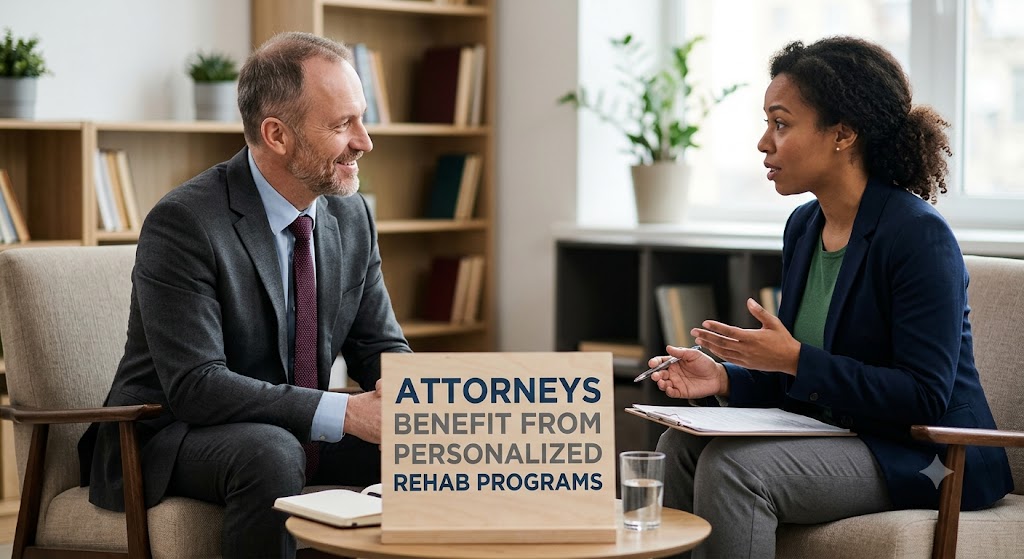
Finding the Right Path to Recovery: Why Attorneys Benefit from Personalized Rehab Programs

The legal profession is built on commitment, critical thinking, and the ability to perform under pressure. Attorneys dedicate themselves to protecting their clients, meeting strict deadlines, and navigating complex legal matters. However, the same qualities that drive success can also create significant emotional and mental strain. Long hours, demanding caseloads, and constant responsibility can contribute to chronic stress, anxiety, depression, burnout, and substance use disorders. When addiction develops, choosing the right rehab program is one of the most important decisions an attorney can make. Personalized rehab programs provide the individualized support, mental health care, and holistic treatment needed to help legal professionals achieve lasting recovery.

Rather than relying on a standard treatment model, personalized rehab focuses on the unique experiences, challenges, and goals of each individual. For attorneys, this customized approach creates a stronger foundation for long-term sobriety, emotional wellness, and professional success.

Understanding the Challenges Attorneys Face

A Career Defined by Constant Pressure

Practicing law requires attorneys to manage high expectations every day. Whether preparing for trial, negotiating settlements, or advising clients through difficult circumstances, legal professionals rarely have the opportunity to disconnect from work.

Over time, continuous pressure can affect both physical and emotional health. Without effective coping strategies, some attorneys turn to alcohol, prescription medications, or other substances as a way to manage stress or temporarily escape overwhelming demands.

Mental Health Plays a Critical Role

Addiction rarely develops on its own. Many attorneys also struggle with anxiety, depression, insomnia, or emotional exhaustion. These mental health concerns often reinforce substance use, creating a cycle that becomes increasingly difficult to overcome without professional treatment.

A personalized rehab program recognizes the connection between mental health and addiction, treating both conditions together for more successful outcomes.

Why Personalized Rehab Is More Effective

Every Recovery Journey Is Different

No two attorneys have identical experiences. Professional responsibilities, personal relationships, stress levels, and recovery goals vary from person to person.

Personalized treatment begins with a comprehensive assessment that helps clinicians create an individualized care plan. This plan may include:

  • Medical and clinical evaluation
  • Individual counseling
  • Mental health treatment
  • Relapse prevention planning
  • Family support services
  • Long-term recovery strategies

By focusing on each attorney’s unique circumstances, personalized rehab addresses the factors contributing to addiction instead of simply treating the symptoms.

Flexible Treatment Options That Fit Professional Needs

Inpatient and Outpatient Care

Attorneys often need treatment options that provide effective care while respecting professional obligations.

Inpatient Treatment

Inpatient rehab offers a structured environment where attorneys can temporarily step away from workplace demands and concentrate fully on healing. Daily therapy, medical support, and wellness activities provide stability during the early stages of recovery.

Outpatient Treatment

Outpatient programs allow attorneys to continue meeting certain work or family responsibilities while participating in therapy and counseling. Flexible scheduling helps individuals apply recovery skills in everyday situations while maintaining important aspects of their lives.

A qualified clinical team can recommend the level of care that best matches each attorney’s needs.

Addressing Mental Health Alongside Addiction

H2: Comprehensive Dual Diagnosis Care

Long-term recovery depends on treating more than substance use alone. Personalized rehab programs frequently offer integrated care for co-occurring mental health conditions.

Treatment may include:

  • Cognitive behavioral therapy
  • Individual psychotherapy
  • Group counseling
  • Anxiety management
  • Depression treatment
  • Trauma-informed therapy
  • Stress management techniques

Treating addiction and mental health together helps attorneys build healthier coping strategies that support lasting sobriety.

Holistic Healing Supports Lasting Recovery

Caring for the Whole Person

Successful recovery involves improving emotional, physical, and spiritual well-being. Holistic therapies complement traditional clinical treatment by helping attorneys develop healthier lifestyles and greater resilience.

Many programs include:

  • Mindfulness meditation
  • Yoga and relaxation exercises
  • Physical fitness activities
  • Nutrition counseling
  • Wellness education
  • Optional faith-based counseling for individuals seeking spiritual support

These services help reduce stress while strengthening overall health and emotional balance.

Preparing for Life After Rehab

Building Long-Term Success

Recovery continues well beyond the completion of a treatment program. Attorneys benefit from comprehensive aftercare that helps them maintain progress while returning to demanding careers.

Aftercare services may include:

  • Continued individual therapy
  • Recovery support groups
  • Relapse prevention planning
  • Mental health follow-up care
  • Family counseling
  • Wellness coaching

These ongoing resources provide accountability, encouragement, and practical guidance for navigating future challenges.

Choosing the Right Rehab Program

What Attorneys Should Consider

Selecting the right treatment center is an important part of recovery. Attorneys should look for programs that provide:

  • Individualized treatment plans
  • Confidential and discreet care
  • Comprehensive addiction recovery services
  • Integrated mental health treatment
  • Inpatient and outpatient options
  • Holistic wellness therapies
  • Optional faith-based support
  • Strong aftercare planning

Programs that understand the realities of legal careers are often better equipped to provide meaningful support throughout every stage of recovery.

Conclusion

Attorneys spend their careers helping others solve difficult problems, but many hesitate to seek help when they are facing addiction or mental health challenges themselves. Personalized rehab offers a compassionate and effective path forward by addressing the unique pressures of the legal profession while providing individualized care for lasting recovery.

If you or someone you care about is struggling with substance use or emotional burnout, reaching out for professional help is a courageous decision. With evidence-based addiction treatment, comprehensive mental health care, inpatient and outpatient options, holistic therapies, and ongoing support, attorneys can regain their health, restore professional balance, and build a future defined by strength, resilience, and lasting sobriety.

Attorney Recovery Done Right: How Customized Rehab Supports Mental Health and Professional Balance

Success in the legal profession often comes with tremendous responsibility. Attorneys manage demanding caseloads, advocate for clients during difficult situations, and work under constant pressure to deliver the best possible outcomes. While these responsibilities showcase dedication and expertise, they can also lead to chronic stress, burnout, anxiety, depression, and substance use. When addiction begins affecting an attorney’s personal or professional life, choosing the right treatment program becomes essential. Customized rehab offers a more effective path to recovery by addressing the unique challenges attorneys face while promoting long-term mental health and professional balance.

Recovery is not about putting a legal career on hold forever. It is about restoring physical health, emotional well-being, and personal resilience so attorneys can return to their careers with renewed focus and healthier coping strategies.

Why Attorneys Face Unique Recovery Challenges

The Demands of the Legal Profession

Attorneys often work long hours while managing high expectations from clients, colleagues, and the courts. Every decision carries weight, and mistakes can have significant consequences. This constant pressure can create emotional exhaustion that slowly affects overall well-being.

Over time, chronic stress may contribute to unhealthy coping behaviors, including excessive alcohol use, prescription medication misuse, or other forms of substance dependence.

Mental Health and Addiction Are Often Connected

Many attorneys experiencing addiction are also living with untreated anxiety, depression, burnout, or chronic stress. These conditions frequently reinforce one another, making recovery more complex.

Treating addiction without addressing mental health concerns often leaves important issues unresolved. A comprehensive treatment plan should focus on both areas to support lasting recovery.

Why Customized Rehab Makes a Difference

Every Attorney Has Different Needs

No two attorneys have the same professional responsibilities, personal experiences, or recovery goals. A customized rehab program recognizes these differences and develops an individualized treatment plan.

Personalized care may include:

  • Comprehensive addiction assessment
  • Individual therapy
  • Mental health counseling
  • Relapse prevention planning
  • Family support services
  • Long-term recovery planning

This tailored approach allows treatment providers to address the specific circumstances affecting each attorney instead of relying on a standard program.

Flexible Inpatient and Outpatient Treatment

Attorneys often have unique scheduling concerns and professional obligations. Having access to multiple levels of care makes recovery more accessible.

Inpatient Care

Inpatient treatment provides a structured and supportive environment where attorneys can temporarily step away from workplace demands. Daily therapy, medical supervision, and wellness activities create a stable setting for early recovery.

Outpatient Care

Outpatient programs allow attorneys to receive professional treatment while maintaining certain work or family responsibilities. Flexible scheduling makes it easier to continue progressing in recovery while gradually returning to everyday life.

Both options play an important role depending on the individual’s clinical needs and recovery goals.

Supporting Mental Health Throughout Recovery

Treating the Whole Person

Mental wellness is essential for sustainable sobriety. Customized rehab programs often provide integrated care that treats addiction alongside emotional health.

Evidence-based therapies may include:

  • Cognitive behavioral therapy
  • Individual counseling
  • Group therapy
  • Anxiety management
  • Depression treatment
  • Trauma-informed care

These services help attorneys understand unhealthy thought patterns, develop healthier coping skills, and strengthen emotional resilience.

Holistic Healing Creates Lasting Balance

Recovery Goes Beyond Clinical Treatment

Holistic therapies complement traditional addiction treatment by supporting physical, emotional, and spiritual well-being.

Many programs include:

  • Mindfulness meditation
  • Yoga and relaxation exercises
  • Physical fitness programs
  • Nutrition counseling
  • Stress management education
  • Optional faith-based counseling

These approaches encourage attorneys to develop healthier daily habits that improve overall wellness while reducing the risk of relapse.

Building Professional Balance After Treatment

Returning to Legal Practice with Confidence

One of the greatest benefits of customized rehab is preparing attorneys for life after treatment. Returning to a demanding legal career requires practical strategies for managing stress while protecting sobriety.

Effective aftercare programs often include:

  • Continued individual counseling
  • Recovery support groups
  • Relapse prevention planning
  • Mental health follow-up care
  • Wellness coaching
  • Family involvement when appropriate

These resources provide ongoing encouragement and accountability as attorneys transition back into their professional lives.

Choosing the Right Rehab Program

What Attorneys Should Look For

Selecting the right treatment center can have a significant impact on recovery success. Attorneys should consider programs that provide:

  • Individualized treatment plans
  • Confidential and discreet services
  • Comprehensive addiction recovery care
  • Integrated mental health treatment
  • Flexible inpatient and outpatient programs
  • Holistic wellness therapies
  • Optional faith-based support
  • Strong aftercare planning

Programs that understand the pressures of legal careers are better equipped to provide meaningful and lasting support.

Conclusion

Attorneys spend their careers helping others solve difficult problems, yet many struggle to seek help for themselves when stress and addiction become overwhelming. Choosing customized rehab allows legal professionals to receive compassionate, individualized care that addresses both substance use and mental health while respecting the unique demands of the profession.

If you or someone you know is experiencing addiction or emotional burnout, now is the time to take the first step toward healing. With personalized treatment, evidence-based therapies, holistic care, and ongoing support, attorneys can achieve lasting sobriety, strengthen their mental health, and create a healthier balance between professional success and personal well-being. Recovery done right provides more than freedom from addiction. It creates the opportunity for a stronger, healthier, and more fulfilling future.

From Courtroom Pressure to Healing: Choosing Addiction Treatment That Fits an Attorney’s Life

The legal profession is built on dedication, resilience, and the ability to perform under intense pressure. Attorneys often spend years balancing demanding caseloads, strict deadlines, emotionally difficult client situations, and the constant expectation to succeed. While these responsibilities are part of practicing law, they can also contribute to chronic stress, burnout, anxiety, depression, and substance use disorders. When addiction begins affecting an attorney’s health, relationships, or career, choosing the right treatment program becomes one of the most important decisions they can make.

Recovery is not about stepping away from a successful legal career. It is about creating a healthier foundation that allows attorneys to thrive both personally and professionally. The most effective addiction treatment programs recognize the unique challenges of legal professionals and provide personalized care that supports lasting recovery.

Understanding the Unique Pressures of Legal Careers

High Expectations Can Lead to Emotional Exhaustion

Attorneys work in environments where every decision carries significant consequences. Whether negotiating settlements, preparing for trial, or advising clients during difficult situations, the pressure rarely disappears.

Many lawyers place the needs of clients ahead of their own well-being. Over time, this can lead to emotional fatigue, chronic stress, and burnout. Without healthy coping strategies, some attorneys begin relying on alcohol, prescription medications, or other substances to manage overwhelming emotions or maintain performance.

Mental Health Challenges Often Accompany Addiction

Substance use rarely develops in isolation. Many attorneys also experience anxiety, depression, insomnia, or persistent stress. These mental health concerns often reinforce addiction, creating a cycle that becomes increasingly difficult to break without professional support.

A comprehensive treatment program addresses both addiction and mental health simultaneously, creating a stronger foundation for long-term recovery.

Why Personalized Addiction Treatment Matters

Every Attorney Has Different Recovery Needs

No two legal careers are identical, and neither are recovery journeys. Personalized treatment begins by understanding the individual rather than simply treating the addiction.

Customized care considers factors such as:

  • Professional responsibilities
  • Mental health history
  • Family relationships
  • Personal recovery goals
  • Lifestyle and daily stressors
  • Risk factors for relapse

This individualized approach allows treatment providers to develop a plan that supports lasting change instead of offering temporary solutions.

Choosing Between Inpatient and Outpatient Care

Finding the Right Level of Support

Attorneys benefit from treatment options that match both the severity of addiction and the realities of professional life.

Inpatient Treatment

Inpatient rehab provides a structured environment where attorneys can step away from workplace pressures and focus entirely on healing. Medical supervision, individual counseling, group therapy, and wellness activities work together to support early recovery while reducing outside distractions.

Outpatient Treatment

Outpatient programs offer greater flexibility for attorneys who can safely recover while maintaining some personal or professional commitments. Regular counseling sessions, relapse prevention education, and ongoing clinical support allow individuals to integrate recovery into daily life.

A professional assessment helps determine which level of care provides the greatest opportunity for long-term success.

Comprehensive Mental Health Care

Treating More Than Substance Use

Successful recovery requires understanding the emotional challenges that often contribute to addiction.

Integrated mental health treatment may include:

  • Individual psychotherapy
  • Cognitive behavioral therapy
  • Anxiety management
  • Depression treatment
  • Trauma-informed counseling
  • Stress reduction techniques

By treating both mental health and addiction together, attorneys gain healthier coping skills that strengthen recovery long after treatment ends.

The Value of Holistic Healing

Supporting the Mind, Body, and Spirit

Healing extends beyond counseling sessions. Holistic therapies help attorneys restore balance while improving physical and emotional well-being.

Many comprehensive rehab programs include:

  • Mindfulness meditation
  • Yoga and relaxation techniques
  • Physical fitness activities
  • Nutrition education
  • Wellness coaching
  • Optional faith-based counseling for those seeking spiritual support

These complementary services encourage healthier routines that support lifelong recovery.

Preparing for Life After Rehab

Recovery Continues Beyond Treatment

Returning to a demanding legal career requires ongoing support. Effective treatment programs prepare attorneys for real-world challenges by developing personalized aftercare plans.

Aftercare may include:

  • Continued individual therapy
  • Recovery support groups
  • Mental health follow-up care
  • Relapse prevention planning
  • Family counseling
  • Wellness and accountability programs

Maintaining recovery becomes easier when attorneys continue using the skills and support systems developed during treatment.

What to Look for in an Attorney-Focused Rehab Program

Choosing a Program That Understands Legal Professionals

Not every treatment center is equipped to address the specific needs of attorneys. When researching options, look for programs that provide:

  • Individualized treatment planning
  • Confidential and discreet care
  • Comprehensive addiction recovery services
  • Integrated mental health treatment
  • Flexible inpatient and outpatient options
  • Holistic wellness therapies
  • Optional faith-based support
  • Strong aftercare planning

Programs that understand the pressures of legal careers can provide more meaningful guidance throughout the recovery process.

Conclusion

The pressures of practicing law can be overwhelming, but addiction does not have to define an attorney’s future. Recovery begins by choosing a treatment program that understands the realities of legal life and offers personalized care designed to support lasting healing.

If you or someone you care about is struggling with addiction or mental health challenges, seeking help is a courageous first step. With compassionate professionals, evidence-based treatment, holistic healing, and individualized support, attorneys can move beyond courtroom pressure and build healthier, more fulfilling lives. Recovery is not about leaving your career behind. It is about creating the strength, clarity, and balance needed to succeed in every area of life.